.png)
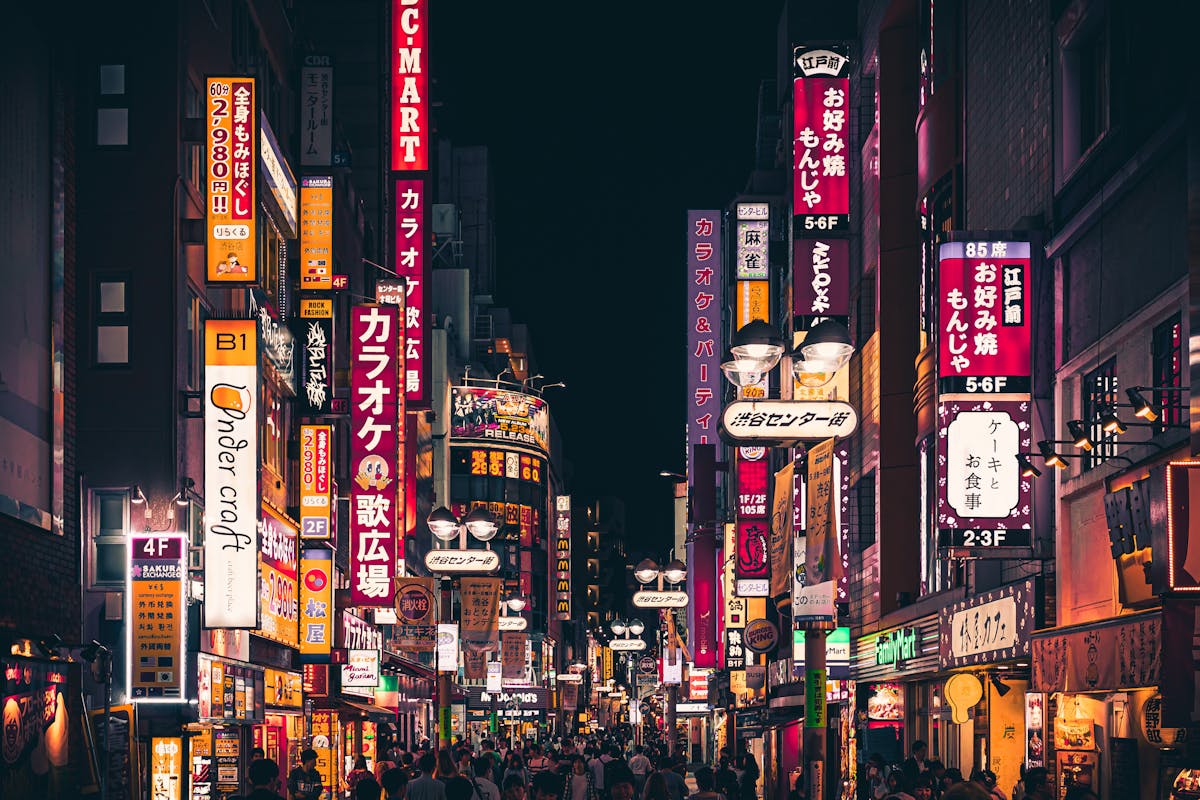
Tokyo Travel Guide
Navigate the world's greatest mega-city with confidence
Tokyo is a city of extraordinary contradictions — ancient shrines stand alongside neon-lit skyscrapers, Michelin-starred restaurants share alleys with $8 ramen shops, and ultra-modern tech districts border tranquil imperial gardens. Japan's capital is endlessly fascinating and surprisingly accessible once you understand the basics. This guide gives US travelers everything they need.
Top Highlights
- Shinjuku & Shibuya crossing
- Senso-ji Temple (Asakusa)
- teamLab digital art museums
- Tsukiji Outer Market
- Harajuku & Takeshita Street
- Akihabara Electric Town
Getting to Tokyo
Tokyo has two main airports: Narita (NRT), the main international hub 60km from central Tokyo, and Haneda (HND), closer to the city center. Direct flights from the US are widely available — 12-14 hours from the West Coast, 14-16 hours from the East Coast.
- JAL and ANA offer premium direct service from most major US cities
- United and American Airlines fly direct from select hubs
- Narita Express (N'EX) takes 60 min to Shinjuku (~$30)
- Haneda Airport is 30-40 min by monorail or train (~$5)
- West Coast flights (LAX, SFO, SEA) have the shortest travel times
Visa Requirements
Japan offers visa-free entry to US citizens for tourism purposes for up to 90 days. No advance application needed — just show up with your passport and proof of onward travel.
- No visa required for US citizens for stays up to 90 days
- Fill out an arrival card and customs declaration on the plane
- Passport must be valid for your entire stay
- Fingerprints and photo taken at immigration (standard procedure)
- Onward/return ticket may be requested
Getting Around Tokyo
Tokyo has the world's most efficient and extensive metro system. The IC card system (Suica or Pasmo) makes travel seamless.
- Get a Suica card at Narita/Haneda — load it and tap on/off everywhere
- JR Pass is worth buying if you plan trips to Kyoto, Osaka, or Hiroshima
- Taxis are expensive and rarely the best option in the city
- Tokyo Metro Day Pass (~$6) for unlimited metro rides is great value
- Google Maps works perfectly for Tokyo transit directions
Tokyo Neighborhoods
Tokyo is made up of distinct neighborhoods, each with its own personality.
- Shinjuku: Entertainment, nightlife, Golden Gai bar alley
- Shibuya: Youth culture, famous crossing, shopping
- Asakusa: Traditional, Senso-ji, old Tokyo atmosphere
- Akihabara: Electronics, anime, gaming culture
- Harajuku: Fashion, quirky street food, Meiji Shrine
- Ginza: Luxury shopping, fine dining, upscale
Practical Tips
Japan has some unique customs and practicalities that are worth knowing before you arrive.
- Cash is still king — carry yen at all times (7-Eleven ATMs accept foreign cards)
- IC cards (Suica/Pasmo) can pay for convenience stores, taxis, and vending machines
- Tipping is not practiced in Japan and can be considered rude
- Most restaurants have plastic food models or photo menus — just point!
- Pocket WiFi or SIM card rental at the airport is essential
- Quiet train etiquette: no phone calls, keep voices low
Flight Tips
- Book 8-12 weeks in advance for the best US-to-Tokyo prices
- Cherry blossom season (late March-April) is stunning but prices surge — book months ahead
- Flying into Haneda is worth paying slightly more — saves 45+ minutes of transit
- JAL and ANA consistently rank among the best airlines in the world for long-haul comfort
- Consider a Japan Rail Pass if visiting multiple cities — saves significantly on bullet trains
Quick Facts
Visa
No visa required for US citizens for stays up to 90 days.
Currency
Japanese Yen (JPY)
Language
Japanese
Budget / day
$100–$250 (mid-range)
Best Months to Visit
March/April
Cherry blossoms — the most iconic Japan experience
May
Warm and clear after Golden Week crowds, beautiful weather
September
Summer heat fades, autumn colors begin in October
November
Stunning autumn foliage, comfortable temperatures
