.png)
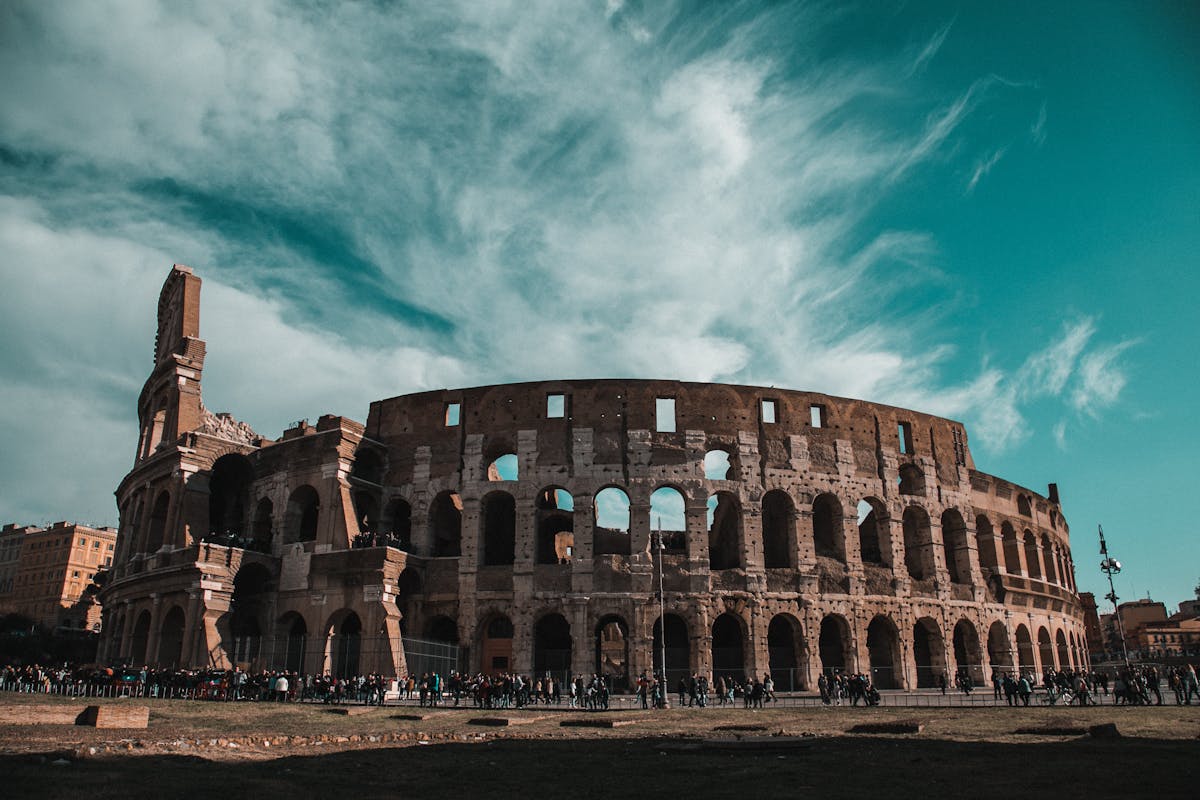
Rome Travel Guide
Everything you need to know before visiting the Eternal City
Rome is one of the world's greatest cities — a living museum where ancient ruins, Renaissance art, and vibrant modern life blend seamlessly. From the Colosseum to Vatican City, every corner of the city tells a 2,800-year story. This guide covers everything American travelers need to know to plan the perfect Rome trip.
Top Highlights
- Colosseum & Roman Forum
- Vatican Museums & Sistine Chapel
- Trevi Fountain
- Pantheon
- Piazza Navona
- Borghese Gallery
Getting to Rome
Rome is served by two major airports: Fiumicino (FCO), the main international hub, and Ciampino (CIA), used by budget carriers. Most direct flights from the US land at FCO. From New York (JFK), direct flights take about 9 hours. From Los Angeles (LAX), expect around 12-13 hours with one stop. Major airlines flying to Rome include American Airlines, Delta, United, Alitalia (ITA Airways), and Lufthansa via Frankfurt.
- FCO has direct Trenitalia trains to Roma Termini (30 min, ~€14)
- Taxis from FCO to central Rome cost a fixed €48
- Ciampino is 40 min from the city centre by bus (~€5)
- Book flights 6-10 weeks in advance for the best prices
Visa & Entry Requirements
US citizens do not need a visa for stays under 90 days in Italy (and the broader Schengen Area). However, starting in 2026, the EU's ETIAS (European Travel Information and Authorization System) requires Americans to obtain a pre-travel authorization online before visiting.
- No visa required for stays under 90 days
- ETIAS authorization required (approx €7, valid 3 years)
- Passport must be valid for at least 3 months beyond departure
- No vaccination requirements for US travelers
Where to Stay
Rome's neighborhoods each offer a different experience. Staying near the historic center puts you within walking distance of major sights, though it costs more.
- Centro Storico (Historic Center): Best for sightseeing, most expensive
- Trastevere: Bohemian, great restaurants, slightly cheaper
- Prati: Near Vatican, safe, family-friendly
- Testaccio: Local neighborhood, excellent food scene, budget-friendly
- Pigneto: Trendy, hipster vibe, further from center but affordable
Food & Dining
Roman cuisine is rich, simple, and deeply satisfying. Avoid tourist traps near major monuments — the best food is found a few streets away.
- Cacio e Pepe, Carbonara, Amatriciana — the classic Roman pastas
- Supplì (fried rice balls) are the perfect street snack
- Aperitivo hour (6-8pm) offers cheap drinks with free snacks
- Gelato from gelaterie artigianali (artisan shops), not tourist stalls
- Avoid places with photos on menus near the Colosseum
Getting Around Rome
Rome's historic center is best explored on foot. The Metro has only 3 lines (A, B, and C), but buses and trams fill the gaps.
- Buy a 48-hour or 72-hour transit pass for unlimited bus/metro rides
- Walking is the best way to see the historic center
- Taxis are metered — use official white cabs or Bolt/Free Now apps
- Avoid renting a car in the city — ZTL restricted zones apply
Flight Tips
- Spring (April-May) and fall (September-October) offer the best prices and weather
- Avoid peak summer (July-August) — prices spike and queues are brutal
- Flying mid-week (Tuesday/Wednesday) is typically 15-20% cheaper
- Check connecting flights via Reykjavik (Iceland Air) or Dublin (Aer Lingus) for deals
- Book Colosseum and Vatican tickets in advance — they sell out weeks ahead
Quick Facts
Visa
No visa required for US citizens (up to 90 days). ETIAS authorization required from 2026.
Currency
Euro (EUR)
Language
Italian
Budget / day
$120–$250 (mid-range)
Best Months to Visit
April
Pleasant 18°C, Easter atmosphere, pre-summer crowds
May
Perfect weather, fewer crowds than summer, great value
September
Summer heat drops, locals return, authentic vibe
October
Ideal temperatures, lower prices, harvest season
