.png)
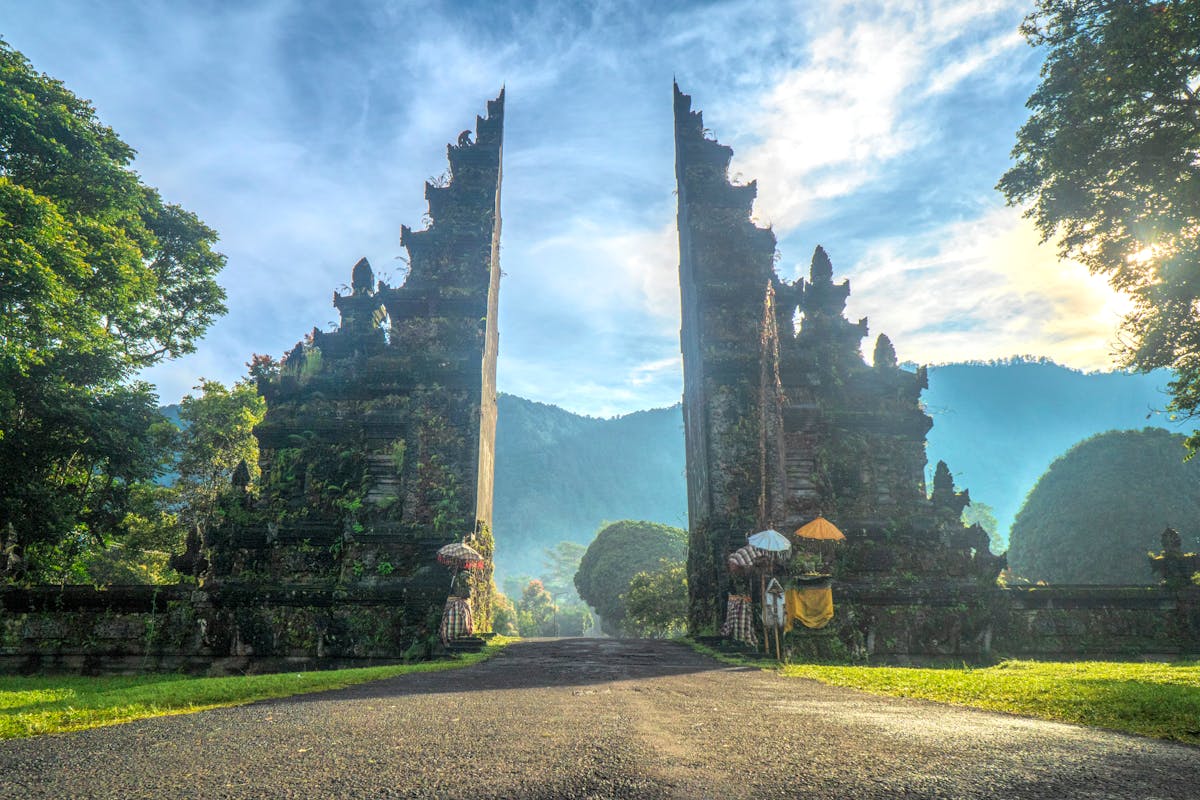
Bali Travel Guide
The Island of the Gods — your complete guide to Bali, Indonesia
Bali is Indonesia's most iconic island — a place of extraordinary natural beauty, deep Hindu spirituality, world-class surfing, and unbeatable value. Whether you're seeking spiritual renewal in Ubud's rice terraces, party nights in Seminyak, or secluded luxury in Nusa Dua, Bali has a version of paradise for every traveler.
Top Highlights
- Tanah Lot Temple
- Tegalalang Rice Terraces (Ubud)
- Uluwatu Cliff Temple
- Mount Batur sunrise hike
- Seminyak beach clubs
- Sacred Monkey Forest Sanctuary
Getting to Bali
Bali's Ngurah Rai International Airport (DPS) is the only entry point by air. There are no direct non-stop flights from the continental US. Most routes connect through Tokyo, Singapore, Hong Kong, or Taipei. Total travel time from the US West Coast is approximately 20-22 hours.
- Singapore Airlines via Singapore is the most comfortable option
- Cathay Pacific via Hong Kong offers competitive pricing
- ANA and Japan Airlines route through Tokyo
- Consider flying into Singapore and continuing with Scoot or AirAsia
Visa Requirements
Great news for US travelers: Indonesia implemented a Visa-Free Entry policy for American citizens in 2023. You can stay for up to 30 days without any visa or fee.
- Visa-free entry for US citizens for up to 30 days
- No registration or fee required at the airport
- Passport must be valid for at least 6 months
- Return or onward ticket required upon entry
- Extension not typically available on visa-free entry
Bali Regions & Where to Stay
Bali's regions are dramatically different. Choose your base based on what you want from the trip.
- Seminyak/Canggu: Trendy, great nightlife, beach clubs, Instagram-worthy
- Ubud: Cultural heart, rice terraces, yoga retreats, jungle views
- Nusa Dua: Resort enclave, calm beaches, family-friendly, expensive
- Uluwatu: World-class surf, clifftop temples, boutique villas
- Sanur: Quiet, local feel, great for families and older travelers
Getting Around Bali
Bali has no public transport system worth using for tourists. Grab (Indonesia's Uber) is the easiest option in south Bali. Renting a scooter is popular but risky without experience.
- Grab app works well in Seminyak, Canggu, and Ubud
- Private drivers cost $40-60/day and can be hired through your hotel
- Scooter rentals ~$5-8/day — only for experienced riders
- Taxi Blue Bird is reputable; avoid unmarked taxis
Culture & Etiquette
Bali is a deeply Hindu island within the world's largest Muslim country. Respect for local customs is essential and genuinely appreciated.
- Cover shoulders and knees when entering temples (sarongs available at entrance)
- Don't step over or move ceremonial offerings (canang sari) on the ground
- Cremation ceremonies are not morbid — they're joyful community events
- Remove shoes before entering homes and many shops
- Bargaining is expected in markets but not in fixed-price stores
Flight Tips
- Book 10-14 weeks ahead for best US-to-Bali prices
- April-June is the sweet spot: dry season + lower prices before peak summer
- Fly into Singapore (SIN) and connect with Scoot for budget savings
- Consider a multi-city ticket: LA → Tokyo → Bali → Singapore → LA
- Travel insurance is strongly recommended — medical costs can be high
Quick Facts
Visa
Visa-free for US citizens up to 30 days. No registration or fee required.
Currency
Indonesian Rupiah (IDR)
Language
Balinese / Indonesian
Budget / day
$50–$150 (mid-range)
Best Months to Visit
April
Dry season begins, lower prices than peak months
May
Best weather, reasonable prices, less crowded
June
Ideal temperatures 26-28°C, busy but manageable
September
End of dry season, excellent conditions
